
33rd BATTALION - 35th BATTALION A.I.F.
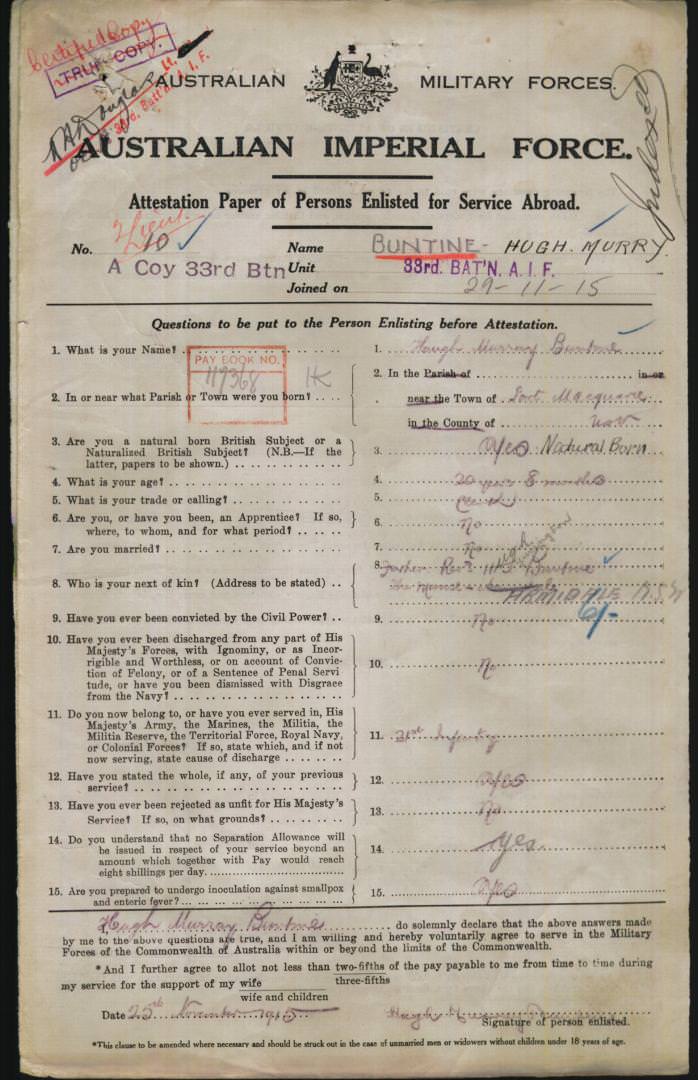
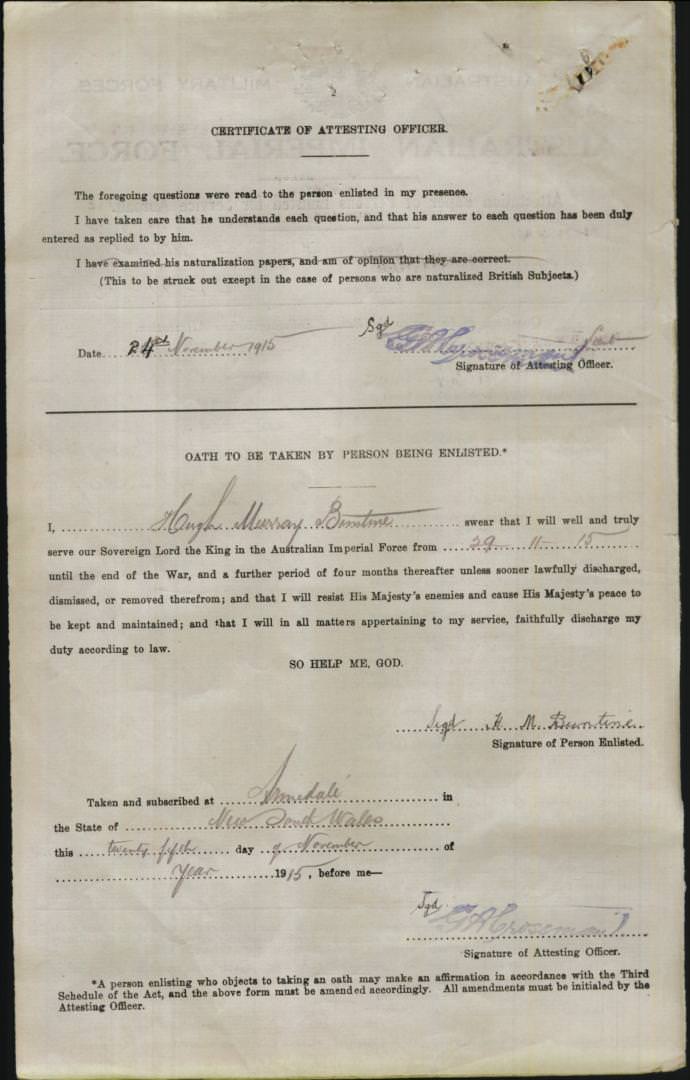
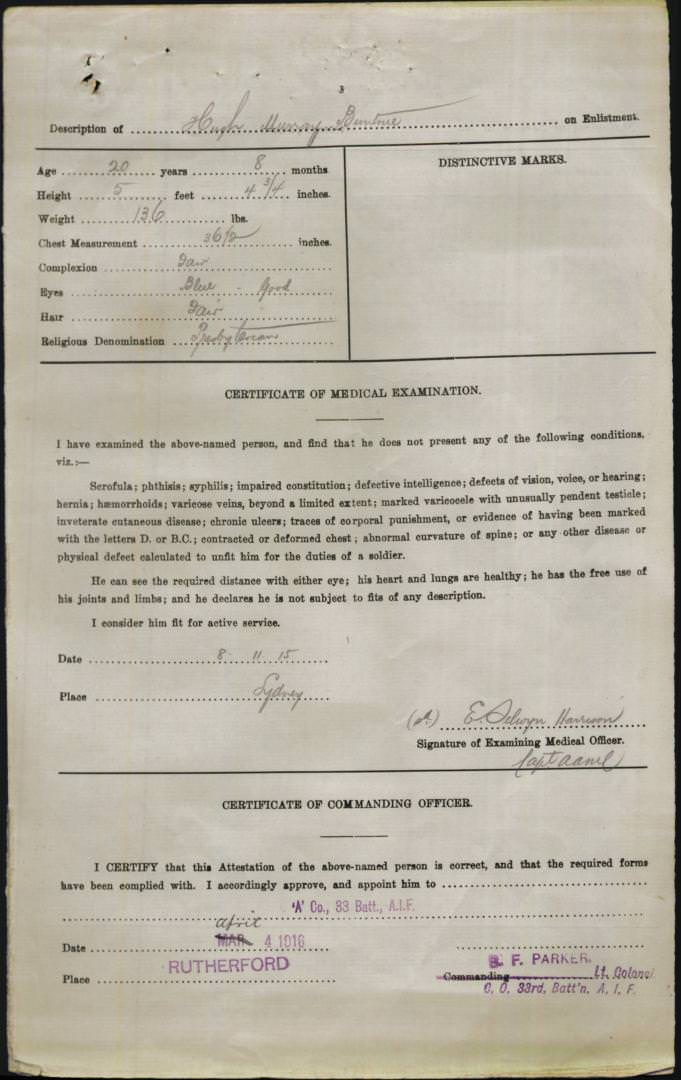
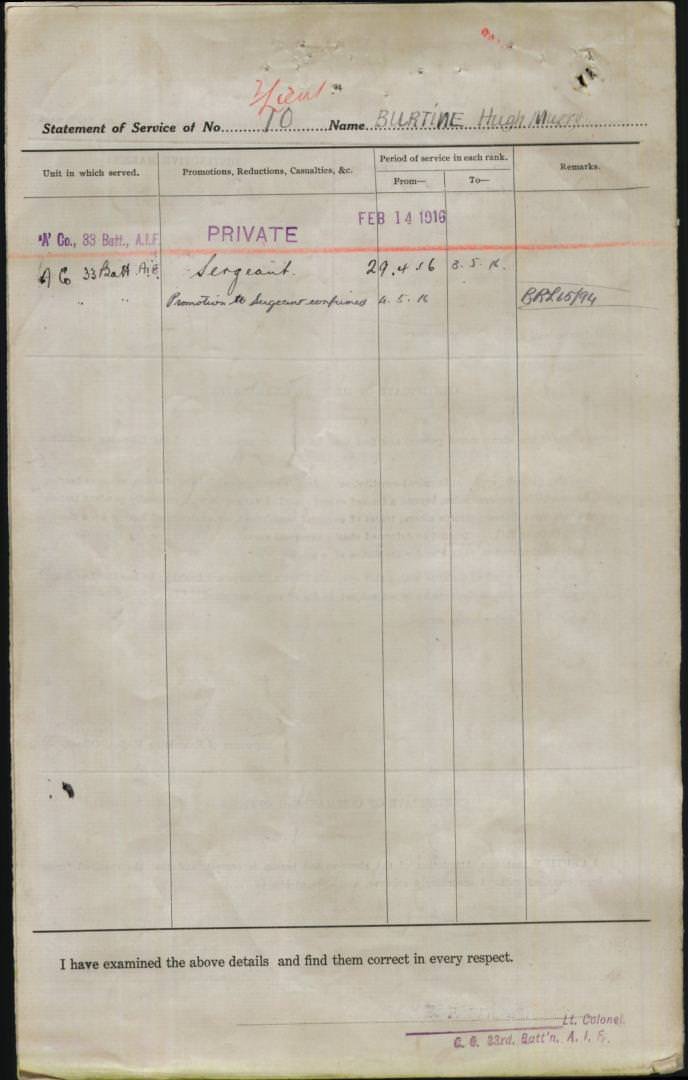
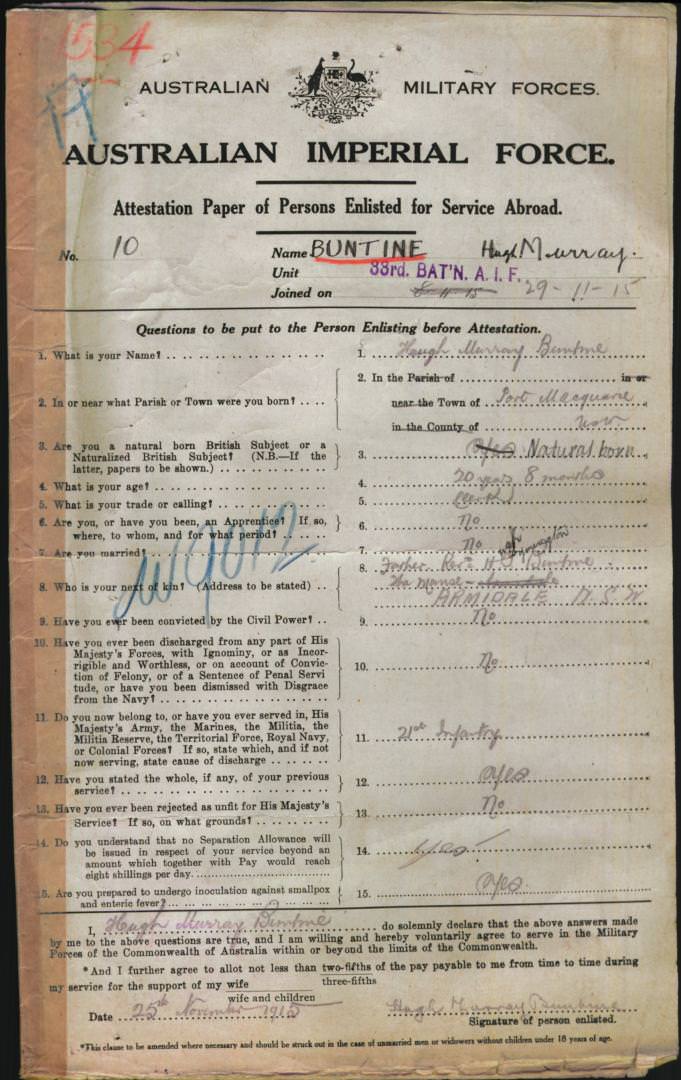
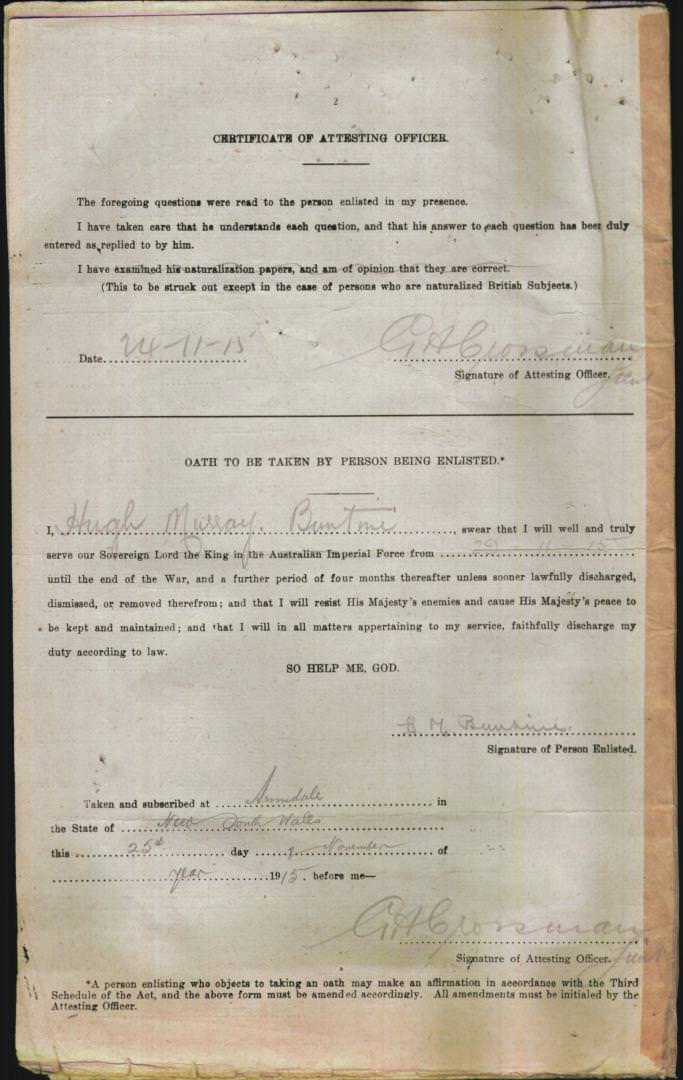
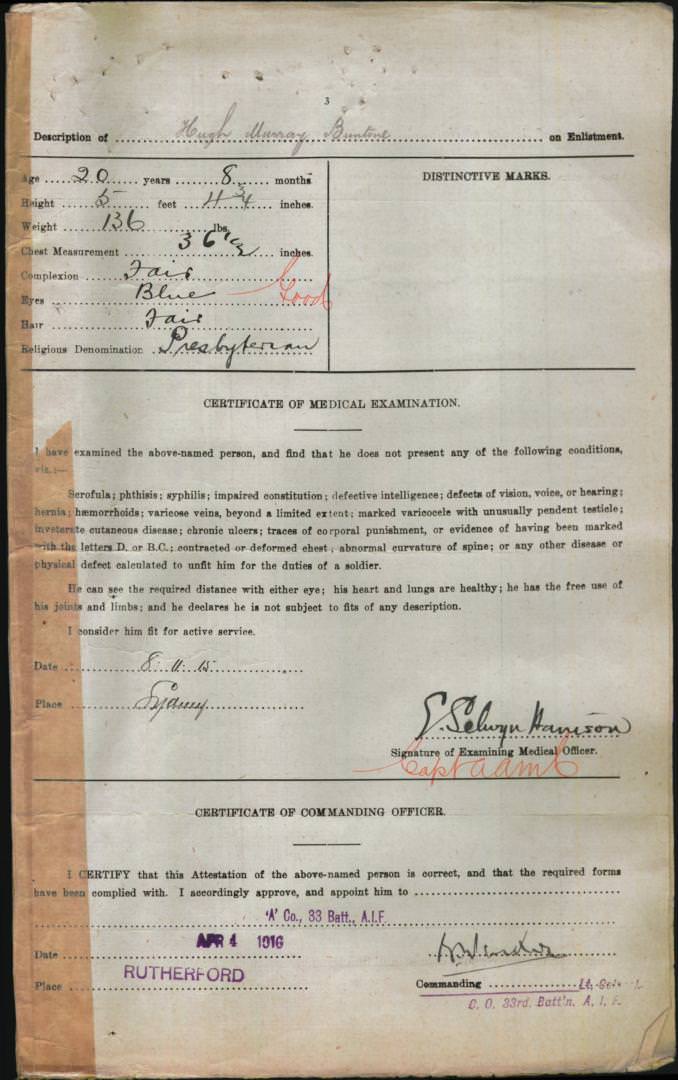
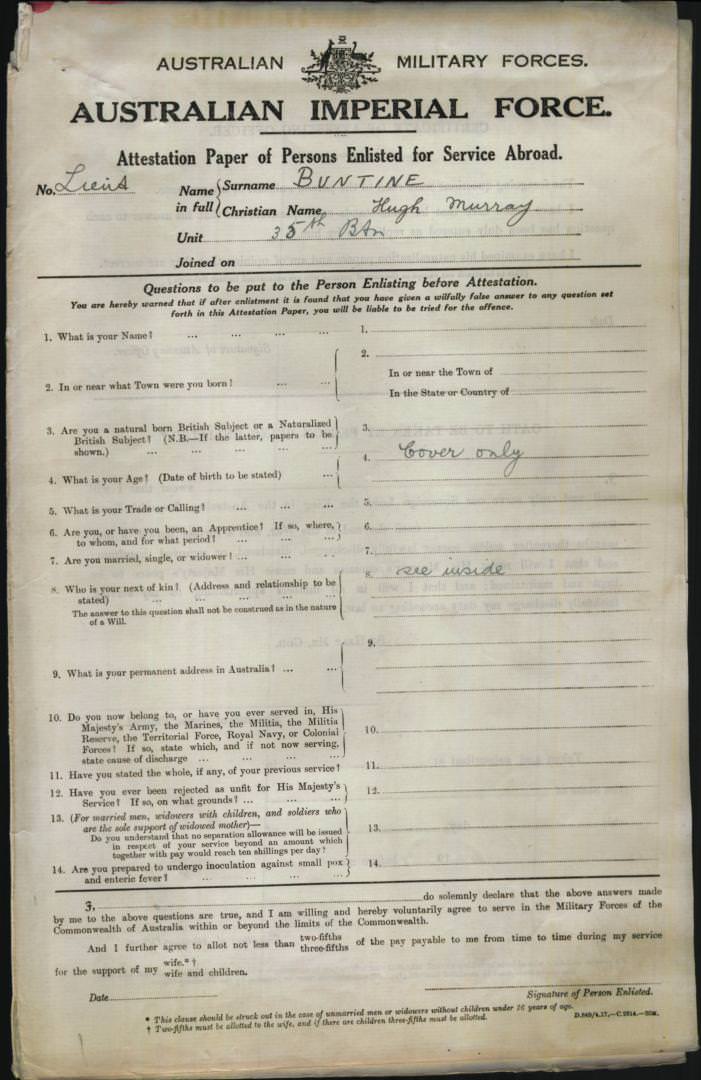
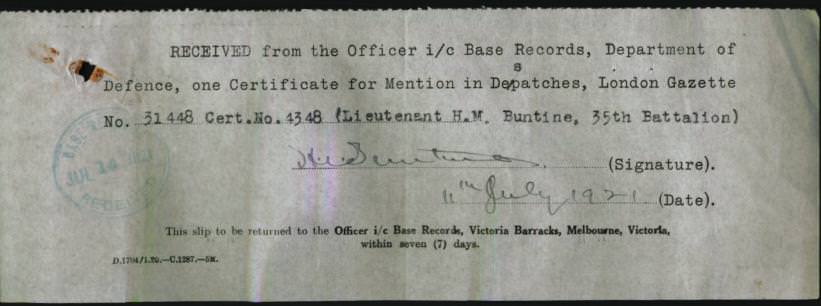
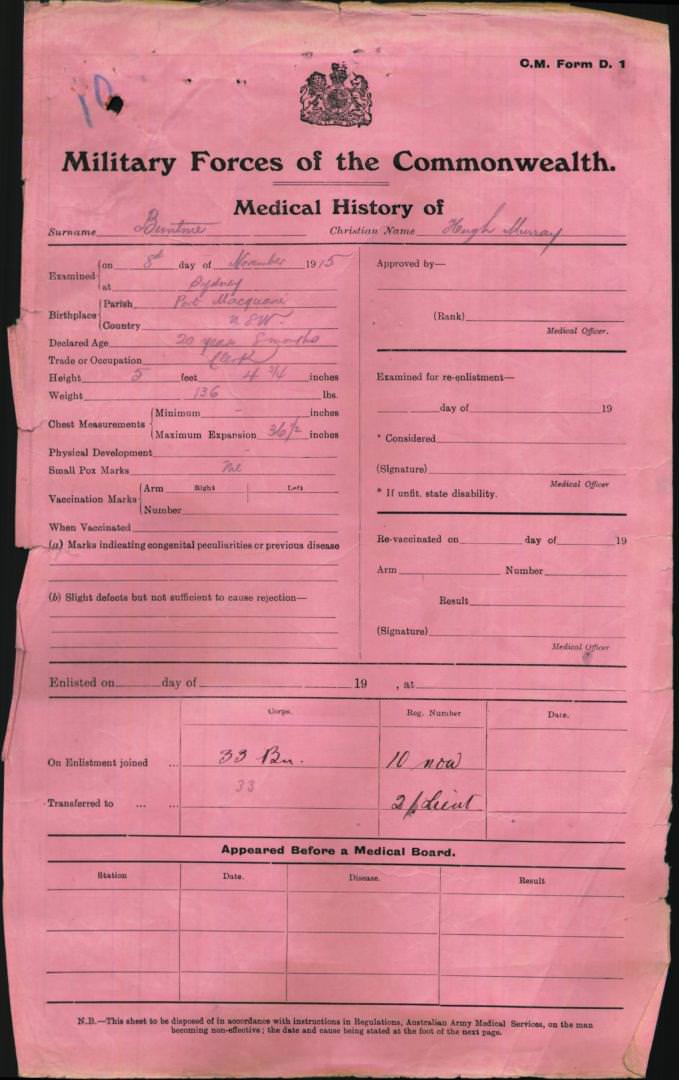
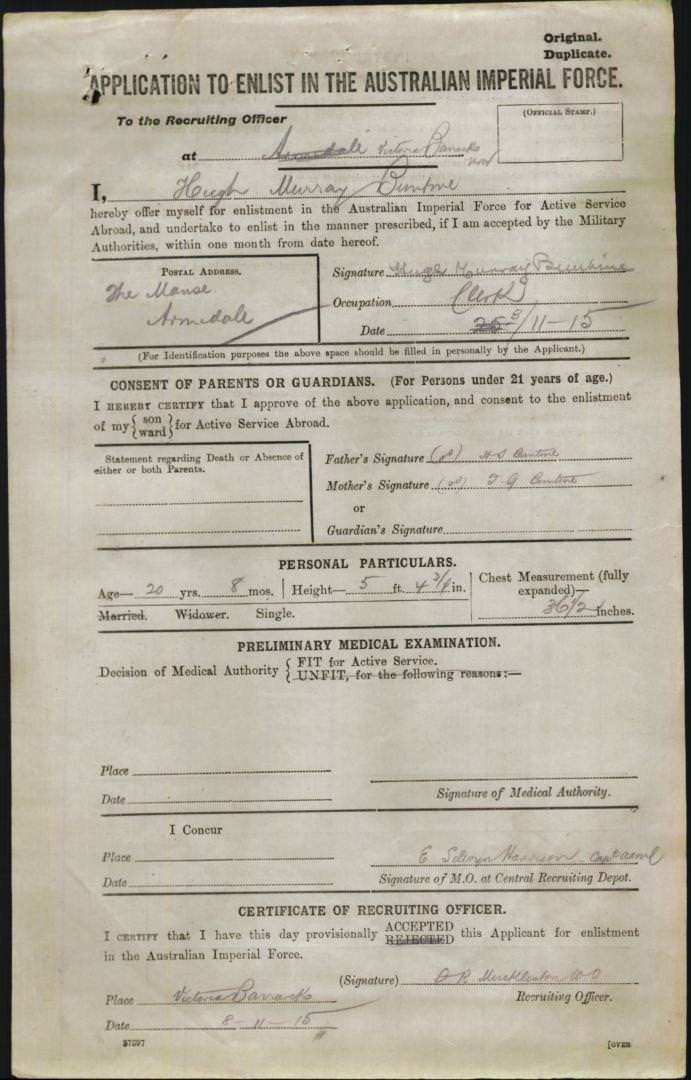
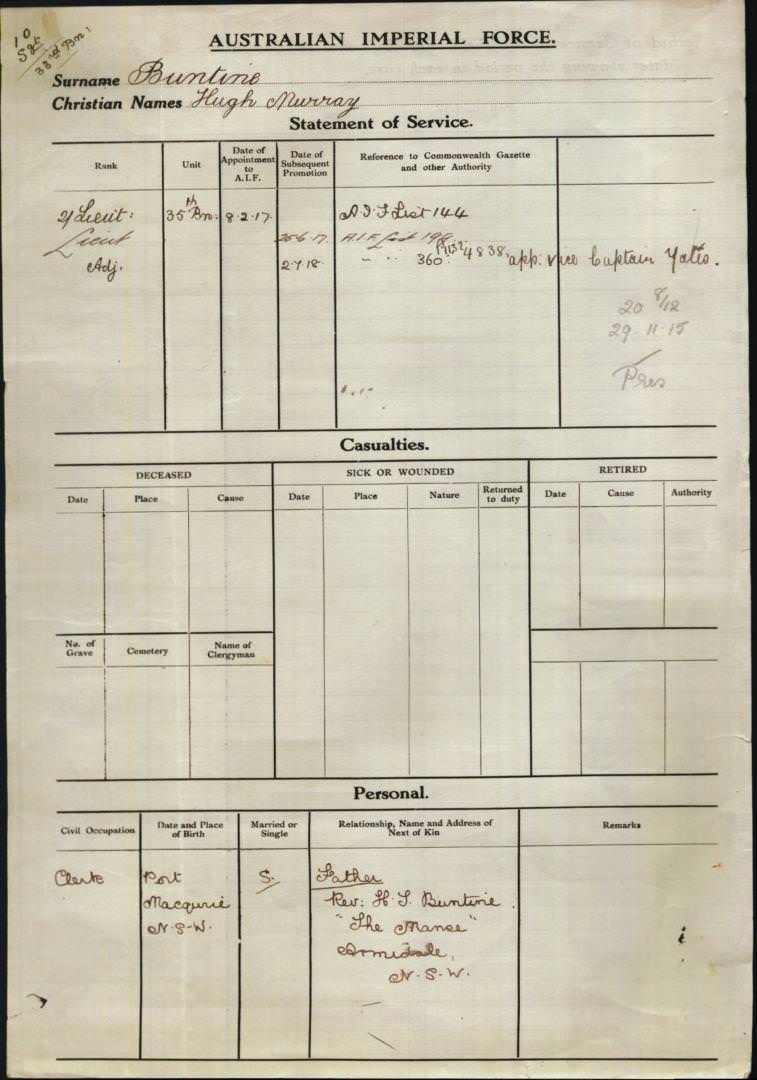
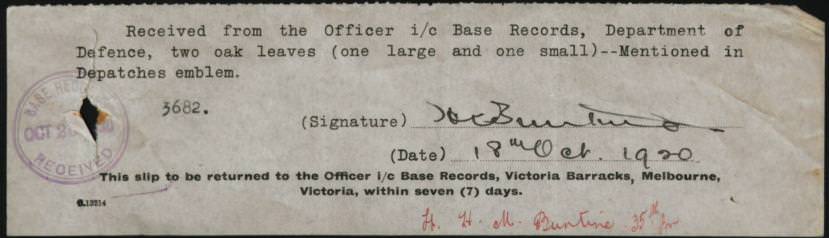
Lieutenant: 10 Hugh Lachlan Murray BUNTINE. M.I.D
Born: 18th March 1895. Port Macquarie, New South Wales, Australia. Birth Cert: 16042/1895.
Died: 2nd April 1971. Manly, New South Wales, Australia. Death Cert: 52505/1971.
Father: Reverend Hugh Symington Buntine. (1856-09/07/1929) died at Parramatta NSW Death Cert:18613/1929.
Mother: Florence Gwynne Buntine. nee: Cullum. (1861-08/07/1959)
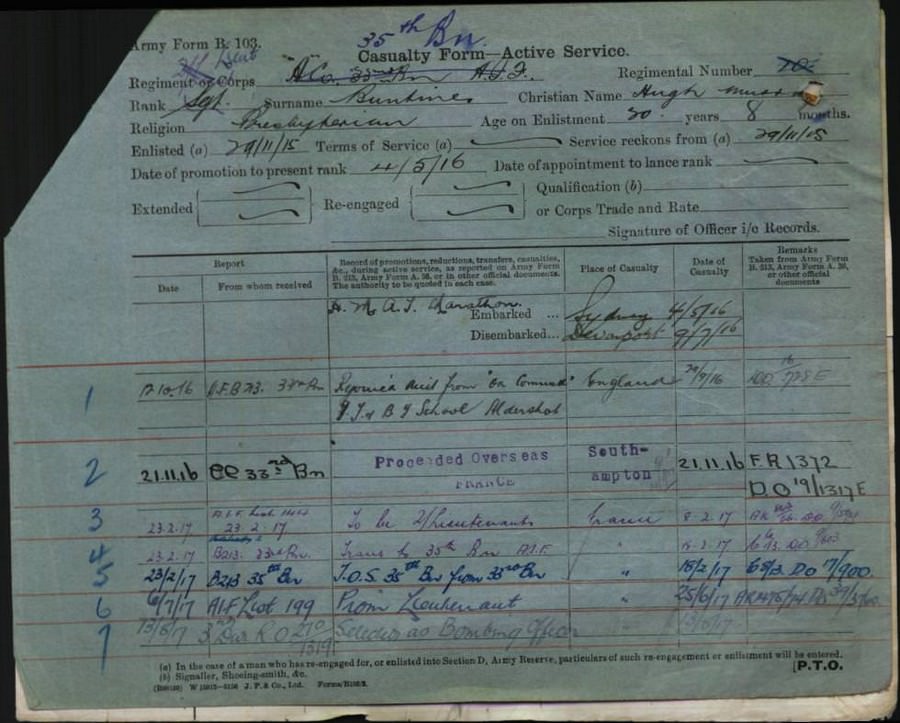
The 33rd Battalion departed from Southampton, England on the 21st November 1916 at 4:30 pm and travelled by paddle steamer ‘Mona Queen’ to France arriving November 22, 1916 at 7:00 am in Le Havre. The Battalion moved in to the No:1 Rest Camp just in time for the onset of the terrible winter of 1916-17.
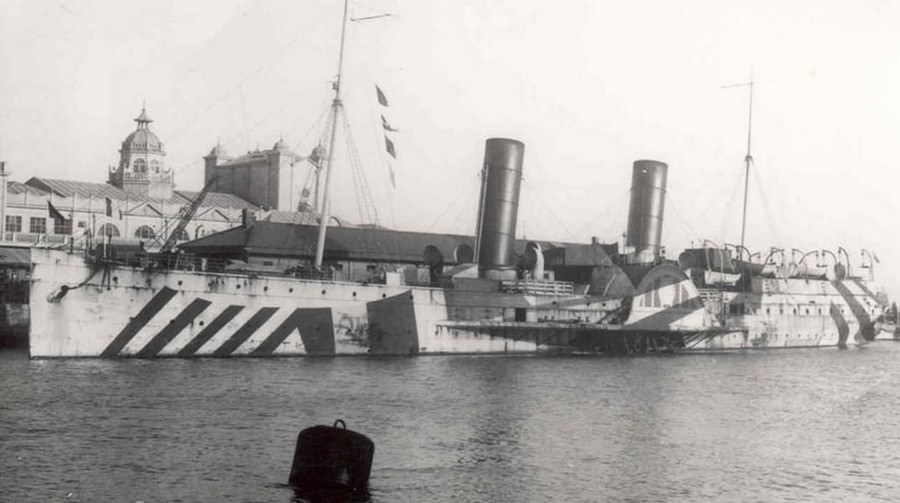 S.S. "MONA QUEEN"
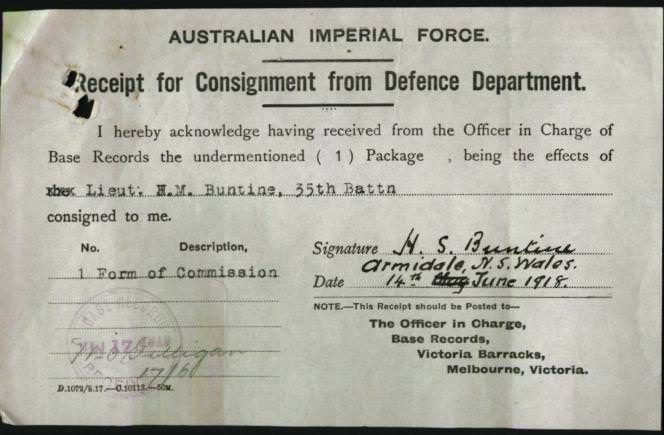
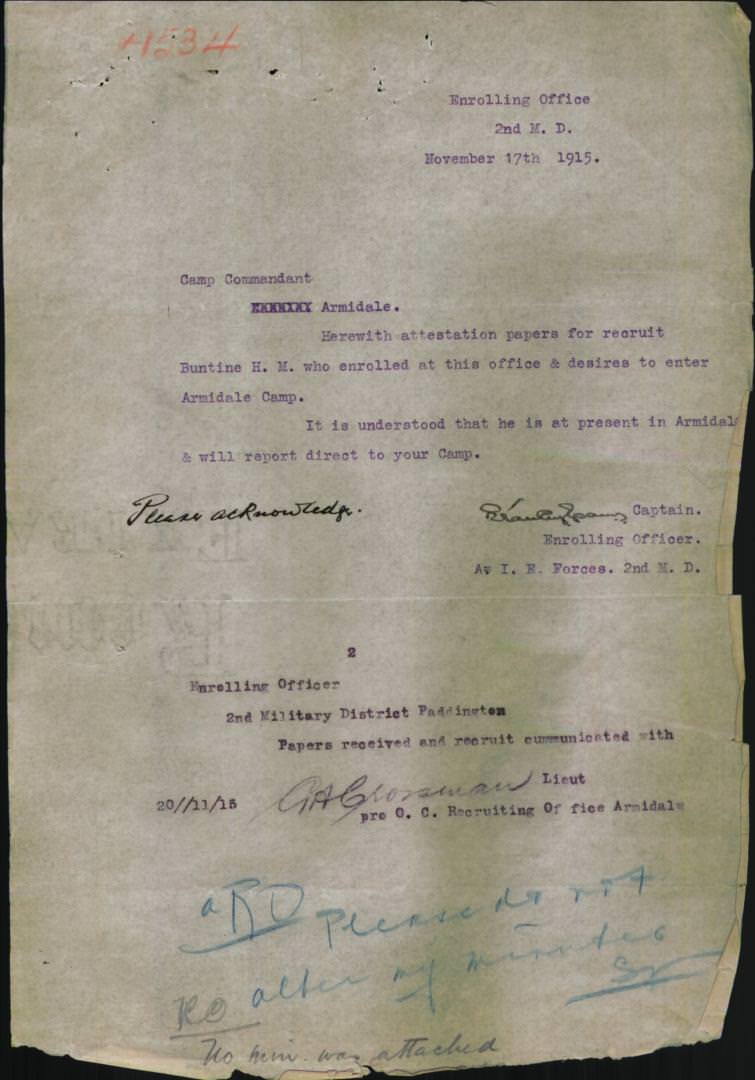
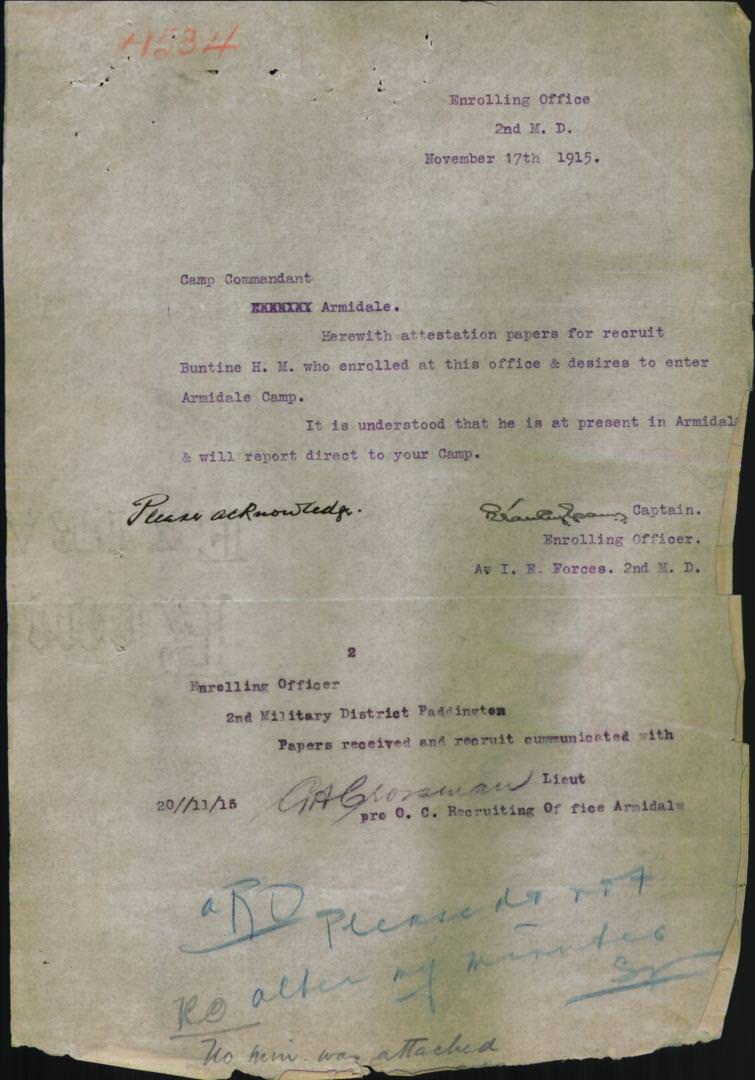
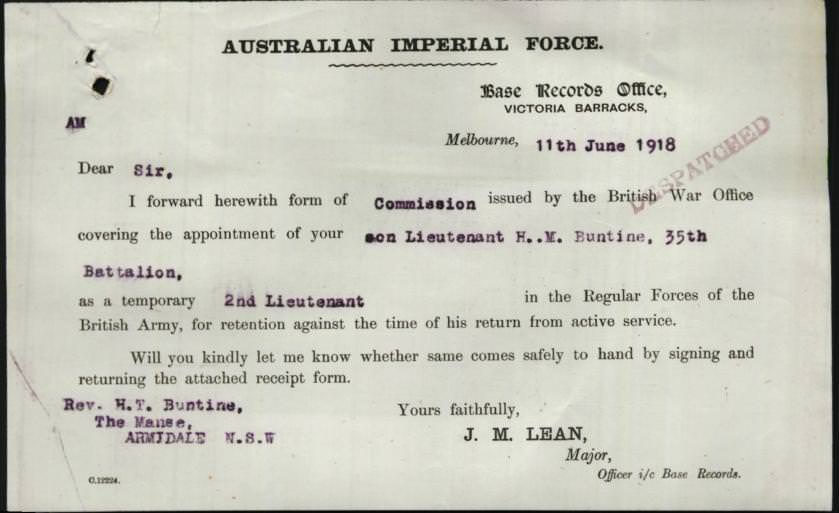
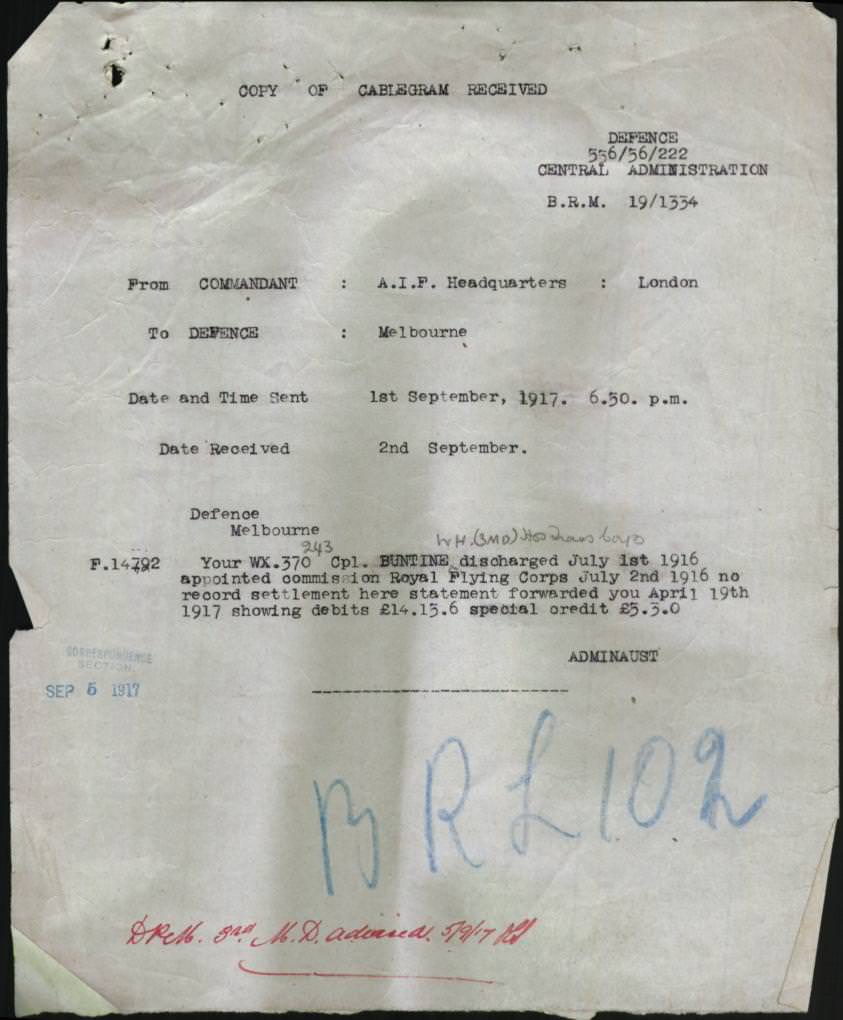
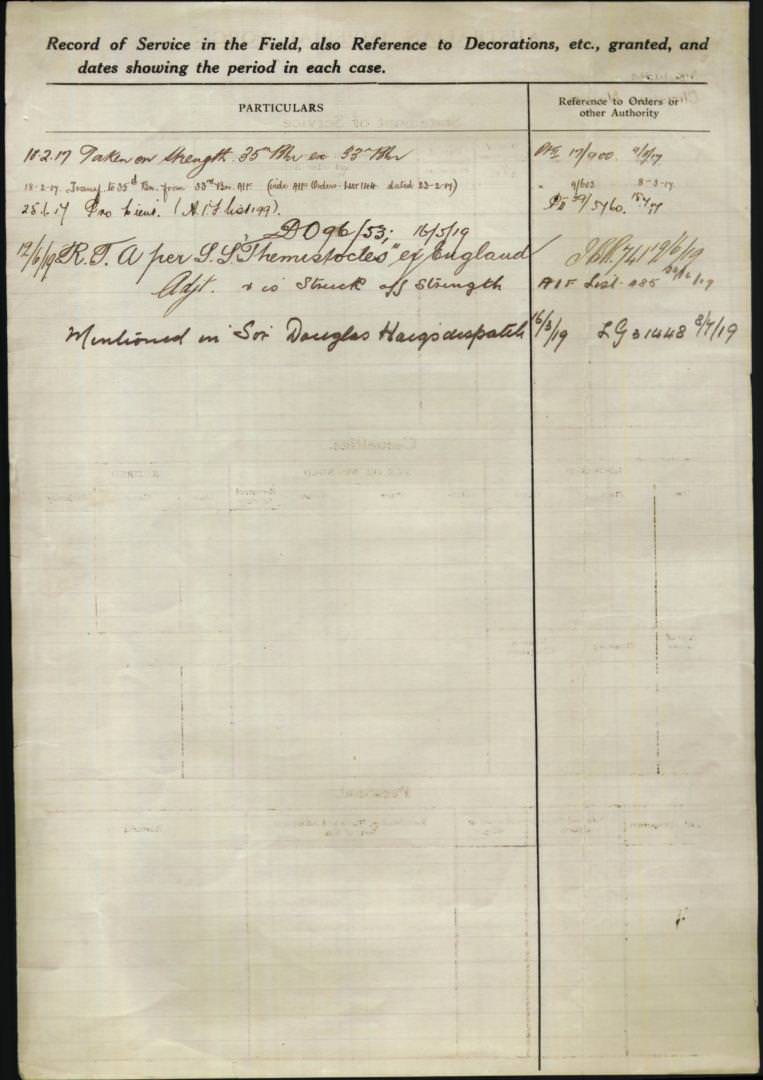
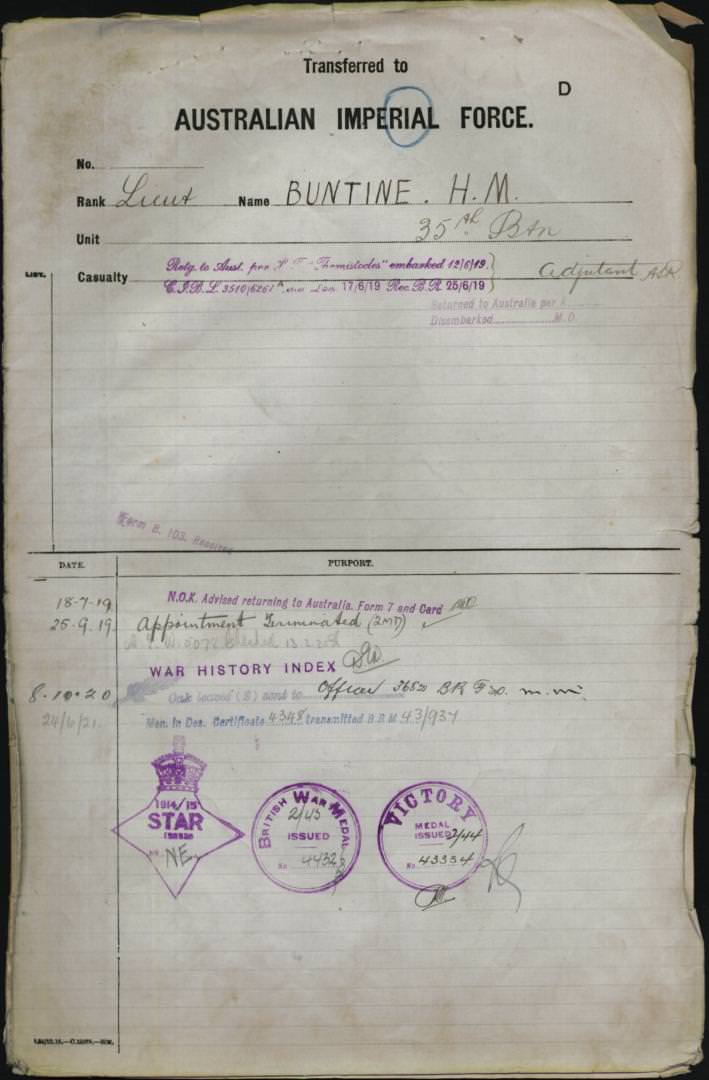
Hugh was promoted to Lieutenant on the 18th February 1917 and was later transferred to the 35th Battalion AIF on the 18th February 1917 and was made Adjutant on the 2nd July 1917.
Hugh re joined his unit from the 35th Battalion Football Team on the 6th January 1919.
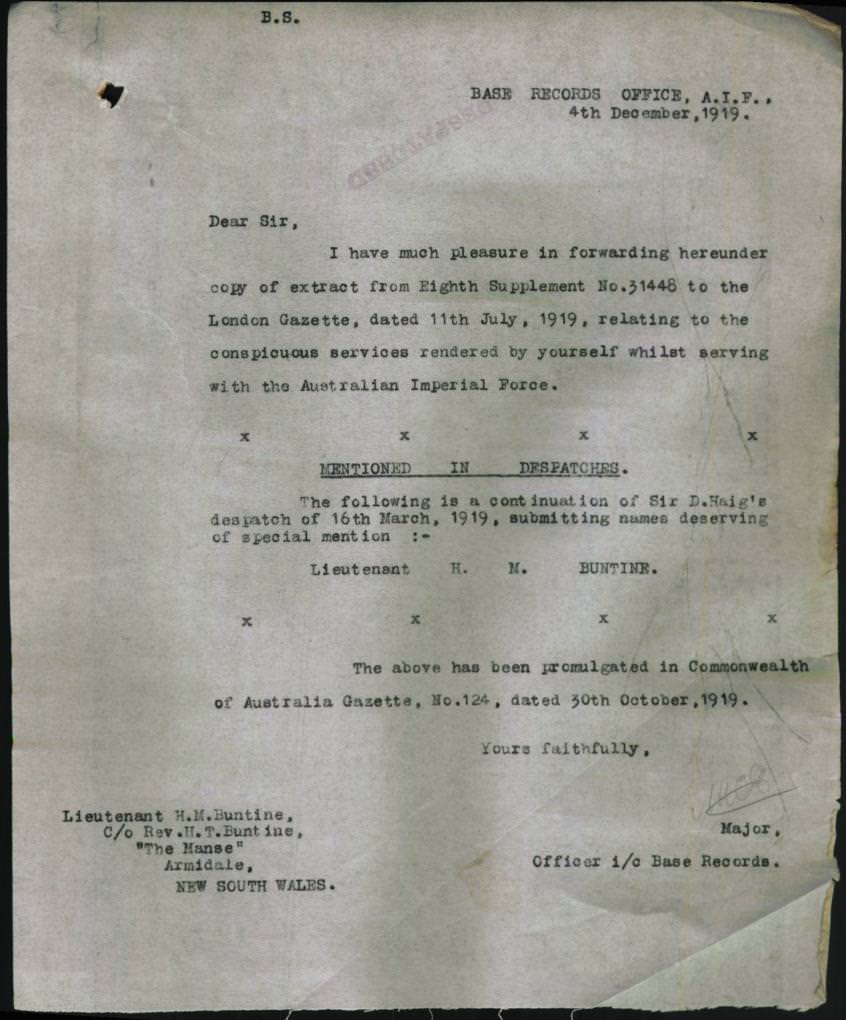
7th February 1919.
Commonwealth of Australia Gazette 30th October 1919. Page 1954 Position 29.
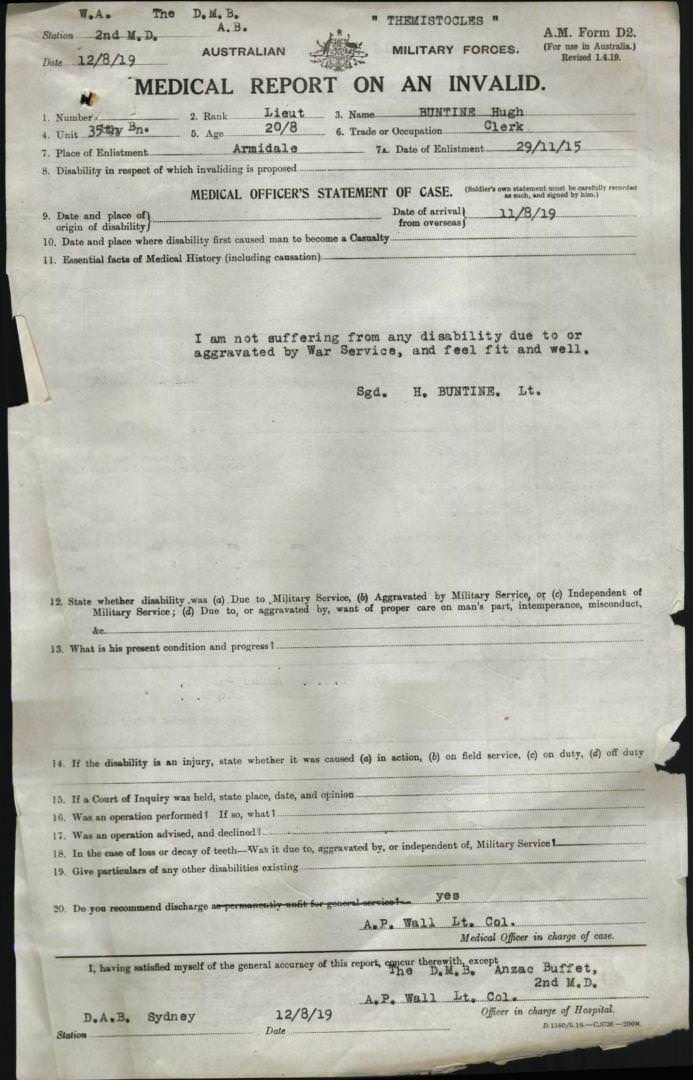
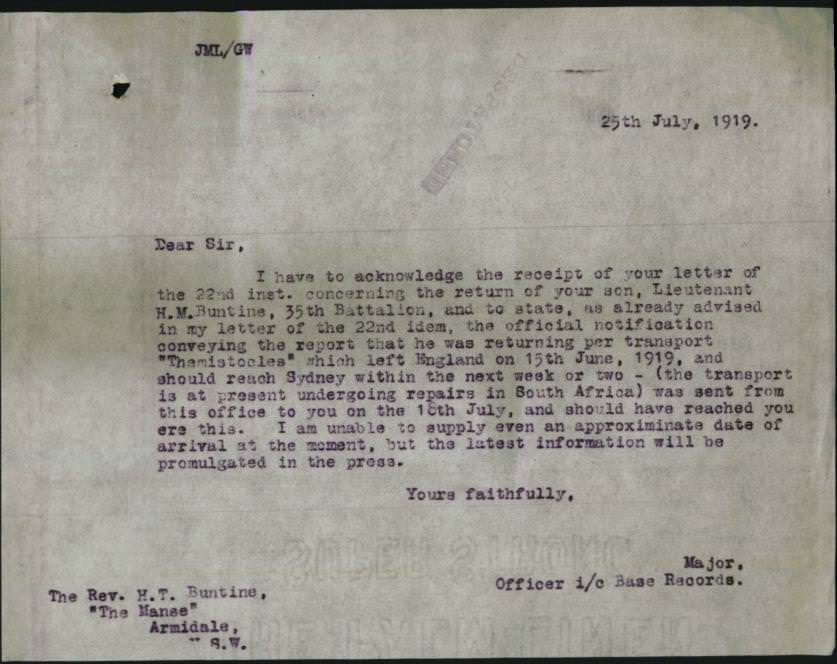
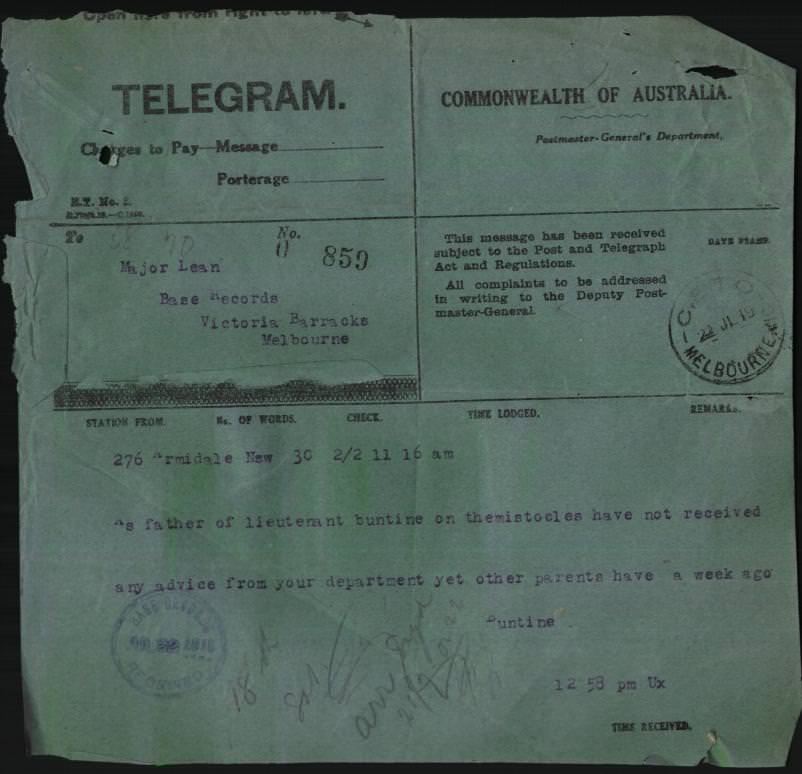
Hugh marched out with the 34th Quota on the 26th April and returned to Australia on board the "Thermosticles" on the 12th June 1919.
Hugh returned to Australia on the 12th of June 1919. (Studio Photo Australian War Memorial) www.awm.gov.au
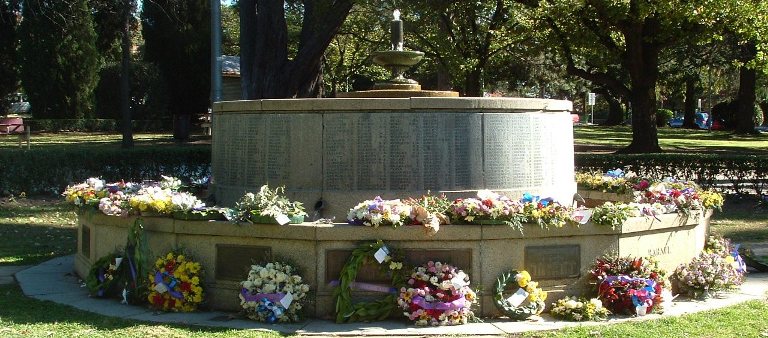

Hugh enlisted on the 17th of April 1942 in Cairns with the rank of Lieutenant and was discharged on the 30th of November 1944. Service number Q219594. Records indicate Hugh returned to New South Wales and died on the 2nd of April 1971 at 117 Sydney Road, Manly New South Wales.
Hughes parents Hugh Smyington and Florence Buntine were married at East Maitland in 1884. Marriage Cert: 5591/1884 and had 5 children. Jessie May Buntine born 1885 at East Maitland, N.S.W. Birth Cert:24714/1885 and died 1963 at Manly, N.S.W. Death Cert:6120/1963. Helen Florence Buntine born 1886 at Gunnedah, N.S.W. Birth Cert:22133/1886. Athol D Buntine born 1890 at Broken Hill, N.S.W. Birth Cert:8499/1890. Hugh L Murray Buntine born 1895 at Port Macquarie, N.S.W. Birth Cert:16042/1895 and died 1971 at Manly, N.S.W. Death Cert:52505/1971. Laura Buntine born 1898 at Port Macquarie, N.S.W. Birth Cert:6395/1898. Reverend Buntine was the Minister at Scots Presbyterian Church, Elwood Victoria,
Hugh Lachlan Murray BUNTINE. Wallaby Number 201
- Position Winger/Centre
- Place of Birth Port Macquarie, NSW
- Date of Birth 18 March 1895
- Died 2 April 1971
- Service Number Q219594
- School The Scots College
- Club Western Suburbs (Sydney)
- Province NSW
- Debut Test Match 1923 Wallabies v New Zealand, 1st Test Dunedin
- Final Test Match 1924 Wallabies v New Zealand, 2nd Test Sydney
Biography
Murray Buntine was something of an old man by Sydney rugby standards of the early 1920s when he finally received a State call-up, at the age of 28 in 1923 for the New Zealand tour. He had been around grade rugby for a while with Western Suburbs, but New South Wales was not short of classy three-quarters in those days and Buntine was one of a group who had to bow to the superior skills of a group of real top notchers. The unavailability of ten players for the tour, and the delay the six University players faced in joining the team after their exams, opened the door for Buntine. He had never been selected for any match against a touring team prior to that date and he was, by four years, the oldest man in a raw group of rookies who formed the Waratahs backline on that tour.
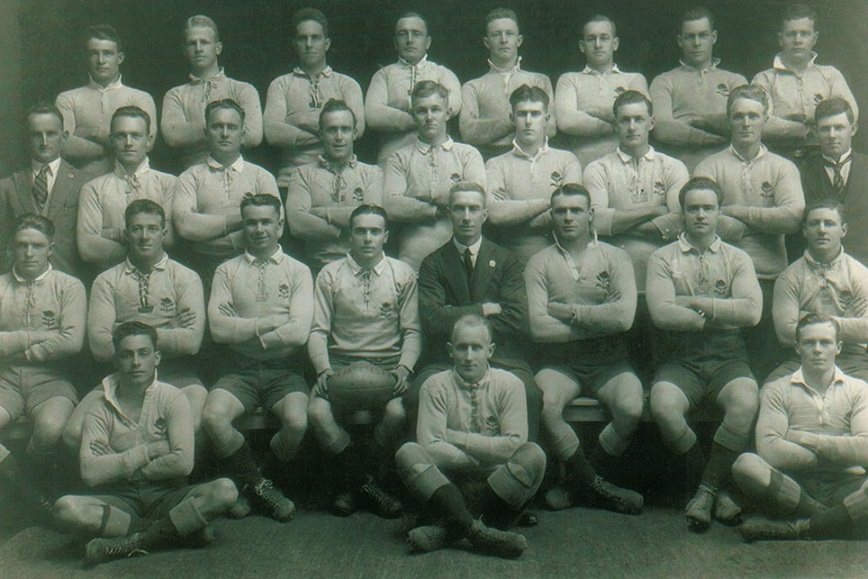
1923 Wallabies (Buntine, standing 3rd row on far left in suite. Note RAS Badge)
At 5ft 6in (1.68m) and 10st 8lb (67kg) he was also smaller than any of them except the halfbacks, something a few of the bigger New Zealand centres targeted. His debut was inauspicious and a little unfortunate, as he was facing the famous Nicholls brothers in the Wellington-Manawatu midfield and these two (Mark and Doc) formed one of the best midfield pairings to be found in New Zealand. Both were All Blacks and together they had an intuitive understanding of where backline weak points were to be found. That day they found plenty; New South Wales eventually lost by 16-29 but that scoreline closed up in the last few minutes when the locals took their foot off the pedal. Buntine and his centre partner Herb Trousdale were tagged with much of the responsibility for the defeat, perhaps unfairly as the forwards were well beaten on the day, and neither saw much action for a while.
Trousdale got one more game on tour while Buntine had to wait until the sixth match before he was given another start, although he had been called upon as a replacement for Norm Smith in the first Test. He played the last three midweekers and never looked likely to crack the Test lineup, even if the main team was getting thumped every Saturday. He returned home from the tour marked down as a player who had tried hard but who was not up to the demands of the highest form of the game. Buntine had one further match for the State, the second Test against the 1924 All Blacks. New South Wales had won the first, rather to the surprise of many of the critics, but the All Blacks now had their land legs back and were out for revenge.
If Buntine’s tour debut had been tough, his Test appearance was even more difficult, as the opposing five-eighth pairing was Mark Nicholls and Bert Cooke, to this day regarded as one of the greatest combinations ever to take the field for New Zealand. Cooke, Buntine’s direct opponent, played a blinder and the All Black backs scored six of the seven tries after making a series of holes in the midfield. Buntine tried to reply with a few bursts of his own but this All Black side was on the way to legendary status and many players with bigger reputations than Murray Buntine found them just too tough. He was dropped for the third Test – the All Blacks won this match even more decisively – and then faded from the State level as he wound his career down.









Under Construction; 28/07/2006-22/01/2012.